Introduction to Solar Panels in Scotland
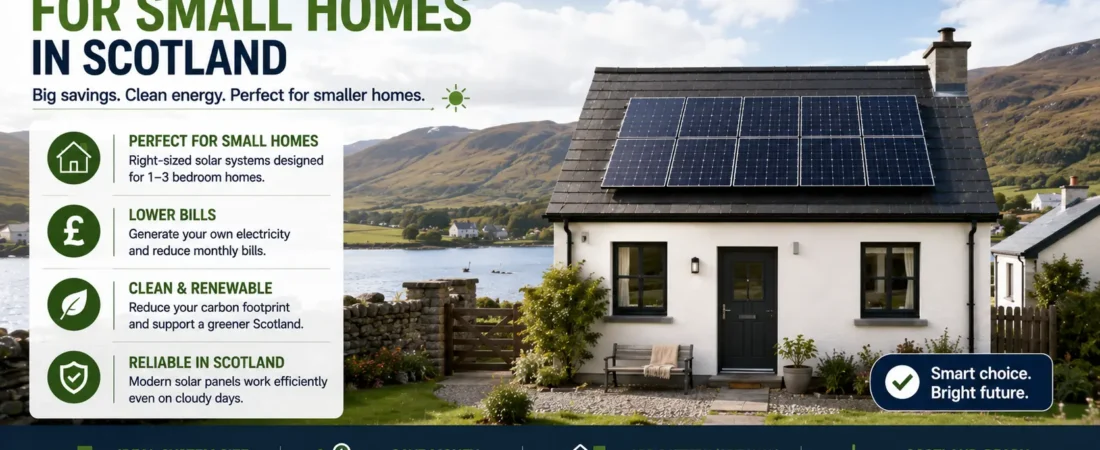
Solar panels have increasingly gained traction as a viable energy solution in various regions, including small homes in Scotland. These photovoltaic systems convert sunlight into electricity, offering homeowners a sustainable alternative to conventional energy sources. With rising energy costs and growing awareness of climate change, many Scottish homeowners are turning to solar energy to reduce their electricity bills and carbon footprint.
The popularity of solar panels for small homes in Scotland can be largely attributed to their beneficial impact on energy savings. Recent statistics indicate that solar energy systems can significantly cut energy costs, providing substantial savings over the lifespan of the panels. Furthermore, advances in technology and government incentives have made solar installations more accessible, appealing to a broader range of residents.
However, the unique Scottish climate presents specific challenges and considerations. Scotland, known for its frequent overcast and rainy weather, may initially seem unsuitable for solar energy capture. Despite this, studies show that solar panels can still operate effectively, even in less than ideal conditions. The optimization of energy capture during the longer daylight hours of spring and summer facilitates efficient energy generation, thus reinforcing the feasibility of installing solar panels for small homes in Scotland.
In light of these factors, homeowners should assess their individual situations, including roof orientation, shading, and energy consumption patterns, to determine the benefits of solar energy for their specific needs. As solar technology continues to evolve, the potential for harnessing solar power effectively is becoming increasingly apparent, making it a viable option for many in Scotland.
Benefits and Drawbacks of Solar Panels for Small Homes
Installing solar panels for small homes in Scotland offers several notable benefits. One of the primary advantages is the potential for significant cost savings on energy bills. By harnessing sunlight, homeowners can reduce their reliance on traditional energy sources, leading to lower monthly expenses. Over time, these savings can accumulate, making the initial investment in solar technology worthwhile.
Moreover, solar panels can increase the overall value of a property. In today’s real estate market, homes equipped with renewable energy solutions often attract more buyers. The appeal of energy independence and lower utility costs can enhance a small home’s marketability, making it an attractive proposition for prospective homeowners.
Sustainability remains a pivotal benefit of solar panels for small homes. The utilization of renewable solar energy contributes to reducing carbon footprints and combating climate change. Homeowners who choose to install solar panels not only invest in their own future savings but also contribute positively to environmental sustainability, resonating particularly well in Scotland’s commitment to green energy.
Despite these benefits, there are drawbacks to consider. The initial costs of purchasing and installing solar panel systems can be high, which might deter some homeowners. While various incentives and financing options exist, the upfront investment can still represent a significant financial commitment.
Furthermore, solar panels’ efficiency is largely dependent on weather conditions, particularly in Scotland, where sunlight can be inconsistent. Periods of extended cloud cover or heavy rainfall may hinder energy production, leading to reduced savings. Additionally, maintenance is required to ensure optimal functioning, adding further responsibilities for homeowners.
In conclusion, while solar panels for small homes in Scotland offer several advantages such as financial savings and sustainability, potential buyers should also weigh the initial costs, weather dependency, and maintenance aspects to make an informed decision.
Expert Tips and Practical Advice for Homeowners
When considering installing solar panels for small homes in Scotland, homeowners should first evaluate their energy needs and potential roof space to determine the appropriate system size. Understanding whether a grid-tied or off-grid system best suits your home’s circumstances is essential. Grid-tied systems usually require less maintenance and can benefit from net metering, allowing homeowners to sell excess energy back to the grid.
Regulations concerning solar energy vary throughout Scotland, so it is imperative to review local planning regulations. Many areas are exempt from planning permission, particularly for small-scale solar panel installations. However, homeowners should check with their local council to ensure compliance with any specific requirements related to installation, aesthetics, and impact on conservation areas, as this too can affect the feasibility of the panels.
Choosing a reputable installer is a critical step in ensuring a successful solar panel system installation. Homeowners should seek out certified companies with established experience in solar energy systems. Reviews and testimonials can provide insights into an installer’s reliability and service quality. Additionally, it is beneficial to obtain multiple quotes and ask detailed questions about warranties, aftercare, and system performance.
| Type of Solar Panel | Efficiency | Warranty | Price | Best For |
|---|---|---|---|---|
| Monocrystalline | 15-22% | 25 years | £3,000-£5,000 | Small homes with limited roof space |
| Polycrystalline | 13-16% | 25 years | £2,500-£4,500 | Budget-friendly options for households |
| Thin-Film | 10-12% | 10-15 years | £1,500-£3,000 | Flexible roof applications and shaded areas |
Homeowners in Scotland opting for solar panels need to remain informed and prepared, ensuring they select the right system tailored to their unique needs, while effectively navigating the local regulations and industry standards.
Frequently Asked Questions about Solar Panels in Scotland
The increasing interest in solar panels for small homes in Scotland has led to a myriad of questions from homeowners considering this sustainable energy solution. One of the most common inquiries pertains to the installation costs. The average price for solar panel installation can vary, typically ranging from £4,000 to £7,000. This variation often depends on factors such as the size of the system, the specific equipment chosen, and the complexity of the installation process.
Homeowners are also curious about the lifespan of solar panels. Generally, most solar panels come with a warranty of around 25 years, ensuring they remain effective over time. However, many systems can continue to produce electricity for 30 years or more, albeit at reduced efficiency as they age. This longevity makes them a worthwhile investment for small homes in Scotland looking to harness renewable energy.
Additionally, the Scottish Government provides various incentives for homeowners considering solar energy. Programs such as the Feed-in Tariff (FiT) have previously been available, allowing homeowners to earn money for the electricity their solar panels generate. This incentive significantly enhances the financial viability of solar panels for small homes in Scotland, making them more accessible to a wider audience.
Energy savings is another critical aspect that potential users are interested in. Depending on energy consumption and the size of the solar panel system, households can save a substantial amount on energy bills annually. On average, homeowners can expect to reduce their electricity costs by up to 50%, depending on usage patterns and the efficiency of the solar panel installation.
By addressing these common queries, prospective users can make informed decisions regarding solar panels for small homes in Scotland, leading to greater energy independence and sustainability in their households.