
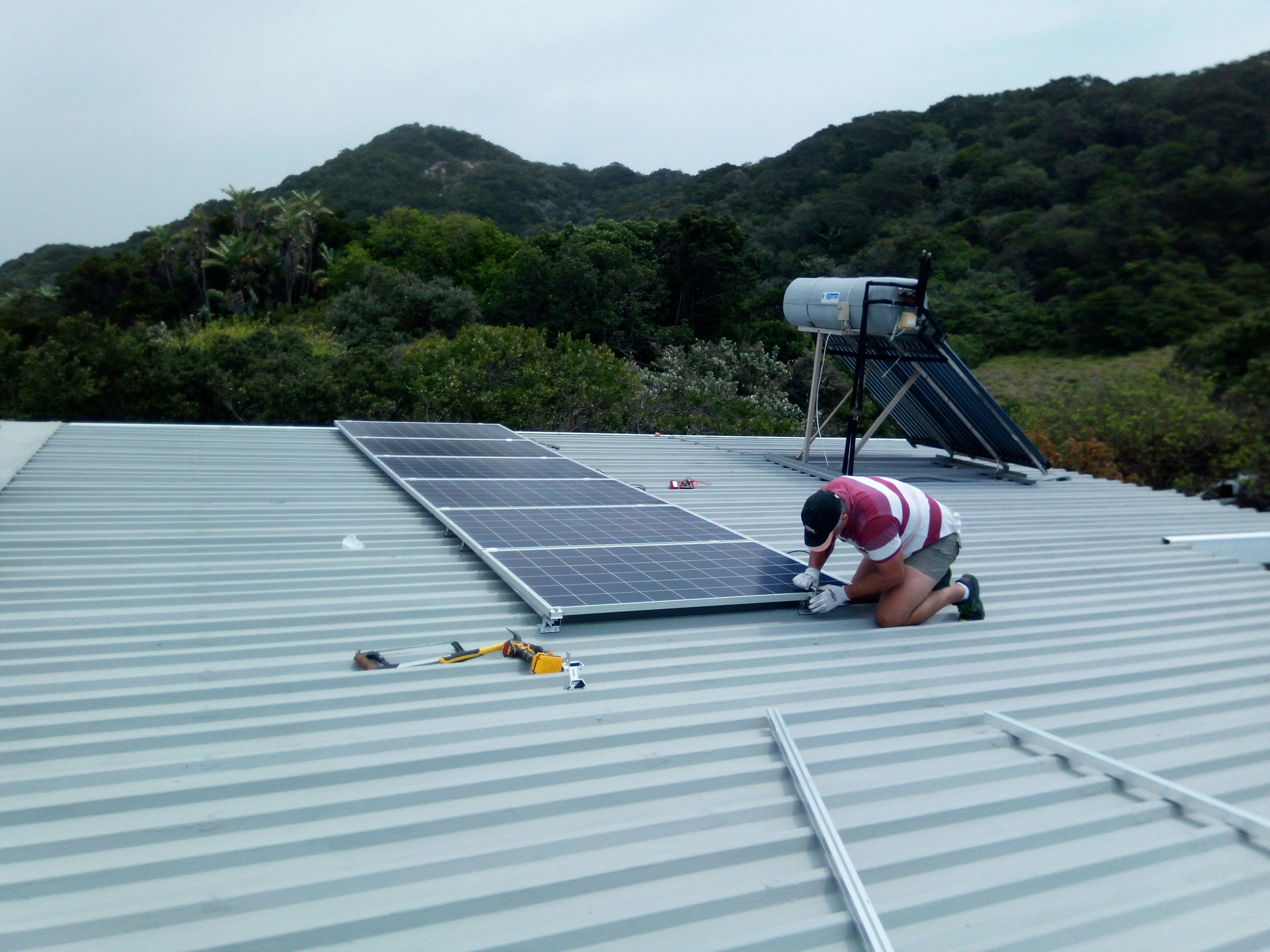
Introduction to Solar Energy in Scotland
Solar energy has emerged as a vital renewable resource, playing an increasingly significant role in Scotland’s journey towards sustainability. Over the past few years, there has been a noticeable growth in the popularity of solar panel installations among Scottish homeowners. This shift can be attributed to various factors, including rising energy costs and a heightened awareness of environmental issues.
The primary advantage of solar panels lies in their ability to harness the abundant sunlight that Scotland receives during certain months. While the northern latitude may suggest limited solar potential, advancements in technology have improved the efficiency of solar panels, making them a practical solution for many homes. As environmental concerns gain prominence, more homeowners are recognizing the long-term benefits of investing in solar energy systems.
Moreover, the integration of battery storage systems has become a game-changer in maximizing solar energy use. By storing excess energy produced during sunny periods, homeowners can utilize this power even when sunlight is scarce. This ability not only leads to significant reductions in energy bills but also contributes to energy independence.
Investing in solar panels and battery storage systems facilitates energy savings and inherently supports a commitment to sustainability. As the UK government continues to promote green initiatives and incentives for renewable energy adoption, it becomes increasingly advantageous for Scottish homeowners to explore options for solar energy.
In summary, solar energy is gaining traction in Scotland as a sustainable choice for homeowners seeking greater energy efficiency and cost savings. The benefits of solar panels and battery storage are evident, paving the way for a greener future.
Understanding Solar Panel Technology
Solar panel technology harnesses energy from the sun by converting sunlight into electricity through the photovoltaic effect. Each solar panel consists of numerous solar cells made from semiconductor materials, typically silicon. When sunlight strikes these cells, it excites electrons, generating a flow of electricity which can be used to power homes, appliances, and electronic devices. The effectiveness of solar panels can be influenced by several factors, including sunlight availability, orientation, and local climate conditions.
In Scotland, the viability of solar energy is often questioned due to its temperate maritime climate, characterized by overcast skies and longer periods of rain than in many other regions. However, contrary to popular belief, solar panels can still perform efficiently even in less-than-ideal weather. Modern solar panels are specifically designed to capture diffuse light, which means they can generate electricity effectively even on cloudy days. This aspect allows homeowners in Scotland to benefit from solar energy, leveraging the system’s potential across varying weather patterns throughout the year.
To optimize energy usage, many homeowners choose to pair solar panels with battery storage systems. These batteries enable the storage of surplus energy produced during peak sunlight hours, allowing homeowners to utilize that energy later in the day or during less sunny periods. Incorporating battery storage not only maximizes the efficiency of the solar power system but also provides added energy security. This combination of solar panels and battery storage is particularly advantageous in regions like Scotland, where energy demands fluctuate, and the weather can be unpredictable.
Benefits of Installing Solar Panels
As climate concerns heighten, homeowners in Scotland are increasingly turning to renewable energy solutions. One of the most compelling options available is solar panel installation. This investment offers numerous advantages that can benefit both the homeowner and the environment.
One of the most significant benefits of using solar panels is the potential for substantial energy savings. With the rising costs of electricity, solar panels can significantly reduce energy bills. By harnessing sunlight, homeowners can generate their own electricity, which decreases dependency on the grid. In Scotland, while the average sunlight hours may be lower compared to sunnier regions, modern solar technologies are designed to capture available sunlight effectively, ensuring that homeowners can still achieve significant savings on their energy expenditures.
Moreover, the environmental impact of solar panels cannot be overstated. Solar energy is a clean and sustainable resource that allows homeowners to reduce their carbon footprint. By switching to solar, households contribute to a decrease in greenhouse gas emissions and reliance on fossil fuels. This transition is essential for safeguarding the environment and combating climate change. In addition, solar power helps in mitigating the effects of pollution, promoting a healthier ecosystem. In essence, choosing solar energy aligns with sustainable practices that help preserve the natural landscapes of Scotland.
Reliability is another critical consideration for homeowners contemplating solar energy. Unlike conventional energy sources that are prone to price volatility and supply interruptions, solar energy provides a more stable solution. Once installed, solar panels require minimal maintenance, ensuring longevity and continuous power generation. The technology’s durability means that homeowners can enjoy the benefits of renewable energy for many years, potentially leading to a return on investment as energy prices rise.
In closing, the installation of solar panels presents a worthwhile opportunity for homeowners in Scotland. Beyond financial savings, the installation provides environmental benefits and energy reliability that contribute to a more sustainable future.
Factors to Consider Before Installation
Before committing to solar panel installation, homeowners in Scotland should assess several key factors to ensure a successful transition to renewable energy. One of the primary considerations is property suitability. Homeowners must evaluate their roof space and orientation, as well as the structural integrity of their roofs to support solar panels. Properties with south-facing roofs typically maximize solar energy absorption. However, east- or west-facing roofs can also be effective depending on site conditions.
Another significant factor is a household’s energy usage. Homeowners should analyze their current energy consumption patterns to determine the appropriate size of the solar system required. Understanding peak usage times and overall yearly consumption can influence the system size and the potential for energy savings. Larger households with higher energy demands might require more extensive solar solutions, while smaller homes might benefit from a scaled-down version.
In addition to system size, evaluating different energy tariffs is essential. Solar homeowners can either consume the energy produced or sell excess electricity back to the grid. Different tariffs may offer various rates for solar energy generation and export, impacting the economic viability of the installation. Researching available feed-in tariffs and examining potential returns on investment can aid homeowners in making informed decisions regarding their solar panel systems.
Lastly, local climate conditions warrant consideration. While Scotland receives less sunlight compared to other regions, solar technology continues to evolve, allowing for effective energy production even in less than ideal weather. Understanding local solar potential may significantly influence the decision to install solar panels.
Government Incentives and Grants
In recent years, the Scottish Government has placed significant emphasis on promoting renewable energy, particularly solar power, as a viable solution for homeowners looking to reduce their carbon footprint. As a result, various incentives and grants are available to individuals considering solar panel installation in Scotland, aimed at alleviating the initial costs associated with this transition to renewable energy.
One of the primary schemes in place is the Home Energy Scotland (HES) program. Operated by the Scottish Government, HES provides homeowners with access to expert advice, as well as financial assistance for energy-efficient home improvements, including solar panel installation. Through this program, individuals may qualify for interest-free loans and cashback offers to support the installation of solar photovoltaic systems.
Moreover, the Feed-in Tariff (FiT) scheme allows homeowners to receive payments for the electricity generated by their solar panels. While this program is gradually being phased out, those who installed systems before its closure can still benefit from guaranteed payments for excess energy exported back to the grid. Additionally, new solar installations can take advantage of the Smart Export Guarantee (SEG), which compensates homeowners for surplus energy sent back to their energy suppliers.
Another valuable incentive comes from local councils that may offer specific grants or funding for renewable energy projects. Homeowners should check with their local authority to determine available options, as eligibility criteria and funding amounts can vary significantly based on location.
In conclusion, these incentives and grants play a crucial role in decreasing the financial burden associated with solar panel installation in Scotland. By taking advantage of available funding options, homeowners can significantly ease their transition to renewable energy, contributing not only to their financial savings but also to broader environmental goals.
Choosing the Right Solar Panel System
When considering solar panel installation in Scotland, it is essential for homeowners to choose between the different types of solar panel systems available. The primary distinctions lie between on-grid and off-grid solutions. On-grid systems are interconnected with the local electricity grid, allowing homeowners to use energy from both the solar panels and the grid. These systems are typically more cost-effective, as they utilize net metering, which enables users to sell excess power back to the grid. This can lead to substantial savings on electricity bills.
In contrast, off-grid systems operate independently of the electricity grid. These solutions are ideal for remote locations or properties that experience frequent power outages. Off-grid systems require battery storage to maintain a consistent power supply, which can increase installation costs. Nonetheless, they provide autonomy from the grid and can be a reliable alternative in specific scenarios.
Choosing the right solar panel system requires careful consideration of individual needs and property characteristics. Begin by assessing your energy consumption patterns and understanding your long-term energy goals. Homeowners should evaluate their average electricity usage and whether they anticipate additional energy needs in the future. Furthermore, consider the location and orientation of the property, as these factors influence the sunlight exposure that solar panels will receive.
The size of the roof and the type of roofing material can also play a role in decision-making. It is advisable to consult with solar energy professionals who can conduct a site assessment and provide tailored recommendations. They can help determine the most suitable system based on the unique characteristics of your home and specific energy needs. Conducting thorough research will ensure that homeowners make an informed choice, optimizing their investment in solar energy and contributing to a greener future.
Getting a Free Solar Quote
Acquiring a free solar quote is a crucial first step for homeowners considering solar panel installation in Scotland. This process not only provides valuable financial insights but also helps you understand the different options available. To begin, homeowners can engage with local solar panel installers or use online platforms dedicated to solar energy solutions. Most companies offer free consultations, where they evaluate your home’s suitability for solar.
When seeking a quote, it is essential to have some information ready. Installers typically request details such as your average energy consumption, the size and orientation of your roof, and any shading from nearby structures or trees. Understanding your current energy usage will help both you and the solar provider assess the potential savings and efficiency gains from solar installation. Additionally, it is beneficial to have information regarding your electricity bill and any past energy audits to facilitate a comprehensive assessment.
During the consultation, expect solar experts to conduct a site survey, which involves measuring your roof and examining any pertinent details to recommend the best solar panel system for your needs. They may also discuss financing options, incentives, and available rebates that could reduce your installation costs. It is integral to ask questions about the equipment offered, warranties, and maintenance requirements, as this information will inform your decision-making process.
Obtaining multiple quotes from different solar providers can further enhance your understanding of market offerings. By comparing costs and services, homeowners can choose the most suitable option tailored to their individual requirements. This thorough approach ensures transparency and efficiency in the quest for solar energy solutions.
FAQs about Solar Panel Installation in Scotland
Solar panel installation is becoming increasingly popular among homeowners in Scotland, leading to a surge in related inquiries. This section aims to address some of the most common questions.
What is the cost of solar panel installation in Scotland?
The cost of solar panel installation can vary significantly based on factors such as system size, type of panels, and installation complexity. Generally, prices can range from £5,000 to £10,000 for a typical domestic setup. Homeowners should obtain multiple quotes from reputable installers to ensure they receive competitive pricing and are aware of any available government incentives or loans.
How long does it take to install solar panels?
The installation process typically takes one to three days. Factors that could extend this timeline include the size of the system, site accessibility, and any necessary structural adjustments to the roof to accommodate the solar panels.
What maintenance do solar panels require?
Solar panels are low-maintenance. Regular checks to ensure they are clean and free of debris are usually sufficient. In Scotland, rainfall often removes dirt naturally. However, an annual inspection by a professional may help identify and rectify potential issues, ensuring long-term efficiency.
What warranties are available for solar panels?
Most solar panel manufacturers offer warranties ranging from 10 to 25 years, reflecting their confidence in the product’s longevity. Additionally, installation warranties can vary, with many companies offering between 1 to 10 years. Homeowners should carefully review warranty terms, including coverage for parts and labor.
These questions reflect the primary concerns of many homeowners considering solar panel installation. For tailored advice, consulting with a local expert can provide further personalized insights, ensuring the decision aligns with specific energy needs and financial circumstances.
Conclusion and Call-to-Action
In conclusion, the installation of solar panels in Scotland presents a myriad of advantages for homeowners. By harnessing renewable energy, property owners can significantly reduce their electricity bills and lessen their carbon footprint, contributing to a more sustainable future. Throughout this blog post, we have covered critical aspects of solar panel installation, including the financial incentives available, the overall efficiency of solar energy systems adapted to the Scottish climate, and the necessary steps to ensure a successful installation.
Moreover, transitioning to solar energy not only benefits individual households but also supports the national goal of enhancing energy independence and lowering greenhouse gas emissions. The initial investment in solar technology may seem considerable; however, with the prospects of lower energy costs and government-backed financing options, many homeowners find the long-term savings and environmental benefits to be well worth the outlay.
As you reflect on the information presented, consider the advantages of embracing solar power for your own home. If you have been contemplating solar panel installation, now is the perfect time to take action. We encourage you to explore the options available to you and receive a free solar quote tailored to your specific needs. Take the first step toward a greener future, enhance your property’s value, and promote sustainability in your community by contacting us today for more information on solar panel installation in Scotland.