
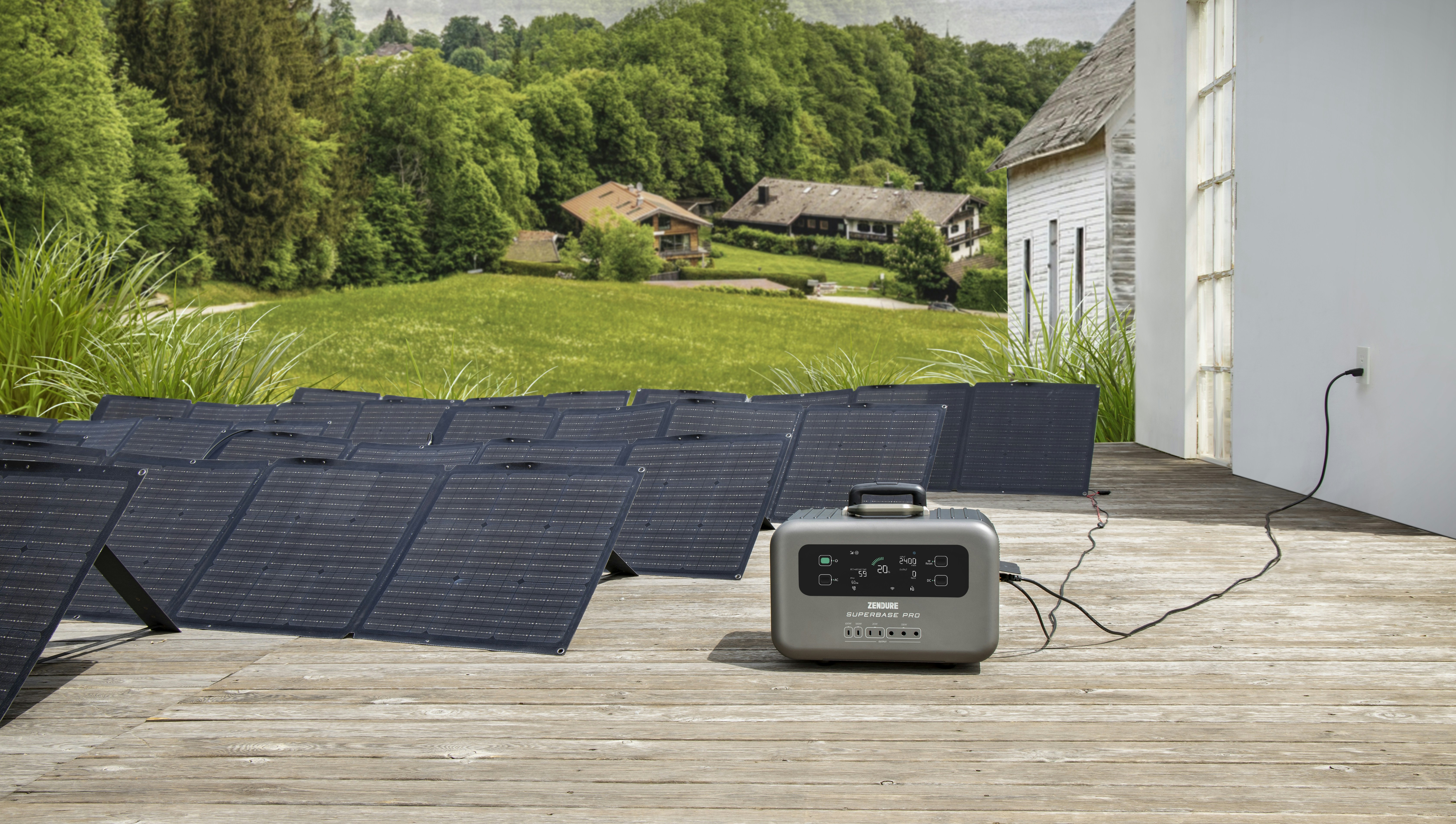
Introduction to Solar Energy in Scotland
Scotland has been increasingly embracing solar energy as a viable renewable energy source in recent years. This shift has been driven by a combination of technological advancements, government incentives, and an increasing awareness of environmental issues. With a strong commitment to reducing carbon emissions, the region is working towards achieving its ambitious climate targets, and solar energy plays a crucial role in this endeavor.
The potential for solar energy production in Scotland has improved significantly due to innovations in solar technology that enhance the efficiency of photovoltaic systems. Despite Scotland’s often overcast weather, solar panels can still capture sunlight effectively and convert it into usable electricity, making solar energy an appealing alternative for both residential and commercial properties. The increasing adoption of solar power contributes not only to personal energy savings but also to the overall reduction in reliance on fossil fuels.
Moreover, many Scottish residents are realizing the long-term financial benefits associated with installing solar energy systems. Not only do they stand to reduce their electricity bills dramatically, but they also benefit from government schemes designed to support renewable energy initiatives, such as the Feed-in Tariff and the Smart Export Guarantee. These incentives make the initial investment in solar setup more feasible and attractive.
In addition to financial advantages, solar energy assists Scotland in diversifying its energy supply, thus enhancing energy security. As a result, the transition toward solar energy is aligned with Scotland’s broader renewable energy goals, which aim to generate 100% of the nation’s electricity from renewable sources by 2020 and significantly reduce greenhouse gas emissions by 2045. This progressive shift towards sustainable energy demonstrates Scotland’s commitment to not only utilizing its natural resources but also combating climate change.
Factors Influencing Solar Setup Costs
When considering the installation of a solar energy system in Scotland, several factors contribute significantly to the overall setup costs. Understanding these factors can aid potential investors in making informed decisions regarding their solar installations.
The first critical factor is the system size. Larger systems, while more expensive upfront, often yield more significant energy savings, making them more cost-effective in the long term. Smaller installations, on the other hand, might have lower initial costs but may not provide sufficient energy to meet a household’s or business’s requirements.
The type of solar panels selected also plays a pivotal role in determining costs. Different types of panels, such as monocrystalline, polycrystalline, and thin-film, come with varying efficiencies and price points. Monocrystalline panels, for instance, tend to be more costly, yet they offer higher efficiency and longer warranties, ultimately leading to reduced costs over their lifespan.
Installation complexity is another vital consideration. Factors such as the roof’s orientation, angle, and material can complicate the installation process. Roofs that are flat or have challenging angles may require additional labor and materials, thereby increasing costs. Moreover, installing systems on listed buildings or in conservation areas can incur additional expenses due to regulatory requirements.
Additionally, government incentives can significantly affect installation costs. In Scotland, various financial support schemes exist to aid homeowners and businesses in transitioning to solar energy. These incentives can reduce the initial investment required, making solar setups more financially feasible.
Finally, geographical considerations specific to Scotland, such as sunlight availability and climate conditions, can impact the choice and efficiency of particular solar technologies. Areas with lower solar irradiance may require more extensive or advanced systems to achieve desirable energy outputs, affecting their overall costs.
Overview of Solar Panel Options and Technology
The market for solar panels offers a diverse array of choices, primarily categorized into three main types: monocrystalline, polycrystalline, and thin-film panels. Each type has distinct characteristics, advantages, and cost considerations that cater to various preferences and requirements.
Monocrystalline panels are recognized for their high efficiency and robust performance. Made from high-purity silicon, these panels convert more sunlight into electricity compared to their counterparts, making them an ideal choice for homes with limited roof space. While they tend to be more expensive upfront due to the manufacturing process, their longevity and efficiency can yield significant savings on energy bills over time.
Polycrystalline panels, on the other hand, are produced from multiple silicon crystals, resulting in a slightly lower efficiency rate compared to monocrystalline panels. They are often more affordable, making them an attractive option for homeowners seeking a cost-effective solar solution. Despite their lower efficiency, polycrystalline panels are still a reliable choice, particularly in areas with abundant sunlight.
Thin-film solar panels present a different approach to solar technology. These panels are manufactured using various materials, including cadmium telluride and amorphous silicon. Their lightweight design and flexibility allow for installation in unconventional spaces. While they generally produce less electricity than crystalline panels, their reduced cost and performance in low-light conditions can be deemed advantageous for specific applications.
Emerging technologies, such as bifacial solar panels, are gaining prominence in the solar energy sector. Designed to capture sunlight from both sides, bifacial panels can enhance energy generation, especially in reflective environments. This innovation promises increased efficiency and long-term cost savings, making it a worthwhile consideration for those exploring solar options.
Battery Storage Systems: Investment and Benefits
Battery storage systems play a pivotal role in modern solar energy setups, particularly in Scotland, where the variability of weather can affect solar energy production. These systems store excess energy generated during peak sunlight hours, allowing households and businesses to utilize this energy during periods of low generation, such as at night or on overcast days. This capability significantly enhances energy independence, reducing reliance on the national grid and increasing resilience against energy price fluctuations.
The investment in battery storage systems can vary widely based on the type of battery, its capacity, and the overall scale of the solar installation. On average, homeowners can expect to invest between £3,000 to £10,000 for a comprehensive battery storage solution, which typically includes installation costs. Despite the initial expenditure, the long-term benefits are substantial. By storing excess solar energy, users can reduce their electricity bills, achieve energy self-sufficiency, and lessen their carbon footprint.
There are several types of batteries available on the market, each with unique characteristics. Lithium-ion batteries are the most popular due to their high energy density, longevity, and efficiency. They generally have a lifespan of 10 to 15 years and can discharge energy effectively, making them ideal for home solar systems. Alternatively, lead-acid batteries offer a more affordable, though less efficient, option, typically with a shorter lifespan and lower cycling capabilities. Newer technologies, such as flow batteries, are also emerging, promising improved safety and longevity.
Overall, the integration of battery storage systems in solar setups not only maximizes the utility of generated solar power but also aligns with the growing shift towards renewable energy solutions. As technology continues to advance, the affordability and efficiency of these battery systems are expected to improve, making them an increasingly viable option for energy-conscious Scottish residents.
Detailed Cost Analysis of Solar Packages in Scotland
When considering solar packages in Scotland, it is essential to understand the various cost components associated with solar energy systems. The overall pricing of solar installations can vary significantly based on the type and capacity of the solar panels, associated equipment, and installation services. Typically, solar packages can be categorized into several tiers: basic, mid-range, and premium.
The basic package generally includes entry-level solar panels with lower efficiency rates, suitable for smaller homes or those with minimal energy requirements. On average, the cost for such a package can range from £4,000 to £6,000, depending on the size and quality of the panels. In this price point, homeowners should expect the system to include installation and basic monitoring tools.
In contrast, mid-range solar packages offer enhanced efficiency and extended warranties, often suited for larger households or those seeking to maximize energy independence. These packages typically range from £6,000 to £10,000, incorporating better technology and possibly battery storage options. Investing in a mid-range system can lead to better as well as bankable savings over its lifespan due to higher energy generation.
Premium solar packages encompass the latest technology, which may include high-efficiency solar panels, advanced battery storage solutions, and comprehensive maintenance plans. The pricing for these top-tier packages can exceed £10,000 but is justified by substantial long-term returns. Homeowners can anticipate a significant reduction in energy bills and an increase in property value, often resulting in payback periods ranging from 6 to 10 years, depending on energy consumption and government incentives.
Overall, evaluating solar packages necessitates a careful consideration of upfront costs versus potential savings. By assessing the specific energy needs and budget, residents in Scotland can make informed decisions that reflect both their financial situation and commitment to sustainable energy solutions.
Government Incentives and Financing Options
In Scotland, the transition to renewable energy sources such as solar power is bolstered by a range of government incentives designed to alleviate the financial burden on homeowners and businesses. These incentives include grants, tax rebates, and various financing options that can substantially reduce the overall cost of solar installations.
The Renewable Heat Incentive (RHI) and the Feed-in Tariff (FiT) are notable government schemes that support solar energy adoption. The RHI allows users to earn payments for producing renewable heat, while the FiT scheme permits homeowners to receive compensation for the electricity generated by their solar panels. Additionally, the Smart Export Guarantee (SEG) enables solar energy producers to sell surplus energy back to the grid, providing an additional revenue stream.
Moreover, the Green Homes Grant is another incentive aimed at improving energy efficiency. This particular initiative facilitates grants that cover a percentage of the installation costs for solar panels and other renewable technologies. By applying for such grants, individuals can significantly reduce their initial investment in solar energy systems.
Financing options also play an essential role in the affordability of solar installations. Loan programs specifically for renewable energy often feature lower interest rates or flexible repayment plans, enabling homeowners to manage upfront costs more effectively. Leasing arrangements and power purchase agreements (PPAs) further allow property owners to install solar panels with minimal financial burden upfront, as they can make payments based on the savings generated from their solar energy system.
Overall, these government incentives and financing options contribute to making solar energy installations both accessible and economically viable for residents and businesses in Scotland, guiding the country towards its renewable energy objectives.
Environmental Impact and Sustainability Benefits
The implementation of solar energy in Scotland carries significant environmental advantages, playing a crucial role in reducing carbon footprints and promoting sustainable practices. By harnessing solar power, households and businesses can greatly decrease their dependence on fossil fuels, which are known to contribute to greenhouse gas emissions and climate change. The transition to renewable energy sources, such as solar energy, aligns with Scotland’s ambitious climate targets, facilitating a shift toward a low-carbon economy.
On a local scale, solar energy systems help mitigate air quality issues by minimizing the combustion of traditional fuels. This transition not only benefits the environment but also public health, as cleaner air can lead to fewer respiratory diseases and other health-related problems associated with pollution.
Moreover, embracing solar energy supports Scotland’s strategic sustainability goals outlined in various governmental policies aimed at fostering renewable energy adoption. This commitment to sustainability enhances community resilience and promotes energy independence, allowing local populations to generate their own power and invest in their future. Communities with an established solar infrastructure can potentially benefit from decreased energy costs, leading to economic growth and job creation.
In addition to these immediate benefits, solar energy contributes to long-term sustainability by fostering technological advancements and encouraging innovative solutions in energy storage and efficiency. As solar technology continues to evolve, it further solidifies its position as a viable and sustainable energy source.
Ultimately, the environmental impact of adopting solar energy in Scotland extends beyond individual benefits, enhancing community well-being and ensuring that future generations inherit a cleaner, healthier environment. The long-term implications for both individuals and communities underscore the essential role of solar setups in achieving broader sustainability objectives.
Real-life Case Studies of Solar Installations in Scotland
As solar energy adoption continues to rise in Scotland, numerous case studies reveal the compelling benefits experienced by both residential and commercial solar installations. These real-life examples demonstrate the diverse applications of solar power, its financial implications, and its contribution to energy savings.
One notable case study comes from a family in Aberdeenshire, where they installed a 4 kW solar photovoltaic (PV) system on their roof. The family reports that this installation has drastically reduced their electricity bills; they are now saving approximately £600 annually. Moreover, they expressed satisfaction with the environmental aspect, feeling they contribute to reduced carbon emissions. Their system, which came with a government subsidy, paid for itself in just over five years, making it a financially sound investment.
Another example involves a small business in Glasgow that has integrated a 10 kW solar array. This business owner noted that their solar setup not only provided substantial energy savings, reducing their dependence on grid electricity, but also presented a unique selling point in marketing their business as eco-friendly. With energy costs rising, this entrepreneur calculated that their system could result in savings of around £1,200 to £1,500 per year, underscoring the system’s profitability.
Additionally, a community solar project in the Highlands, involving multiple households, demonstrates how collaboration can maximize the benefits of solar energy. Participants shared the installation costs, which significantly lowered individual expenses, and they now benefit from shared savings on electricity bills. This initiative highlights the feasibility and impact of communal investment in green energy solutions.
These testimonials showcase a variety of experiences and satisfaction rates among solar energy users in Scotland, reinforcing the financial and environmental advantages of switching to solar energy solutions.
Conclusion and Call to Action
In reviewing the various aspects of solar setup costs in Scotland, it is evident that transitioning to solar energy can be both a sustainable and economically sound decision. Factors such as installation costs, available government incentives, and long-term savings play a crucial role in determining the feasibility of such projects. Solar energy not only lowers electricity bills but contributes positively to environmental sustainability, making it a compelling option for homeowners and businesses alike.
The initial investment in solar installation may seem significant; however, an understanding of the long-term benefits can transform this perception. By reducing dependence on traditional energy sources, individuals can gain energy independence. Furthermore, the fluctuations in energy prices only reinforce the importance of investing in self-sustaining energy systems such as solar power.
Cognizant of these points, we encourage readers to delve deeper into the solar energy options available in Scotland. Evaluating different packages and financing choices can help you identify the right solution tailored to your needs. Additionally, researching local installers and their reputations can ensure a smooth transition to solar energy.
For those contemplating this change, we advocate taking the first step. Explore available solar packages, consult with professionals in the field, and conduct a thorough cost analysis to determine potential savings. By adopting solar energy, you are not just making a choice for your household or business, but contributing to a greener future for Scotland. Join the movement towards renewable energy today, and be part of the solution that benefits everyone.