
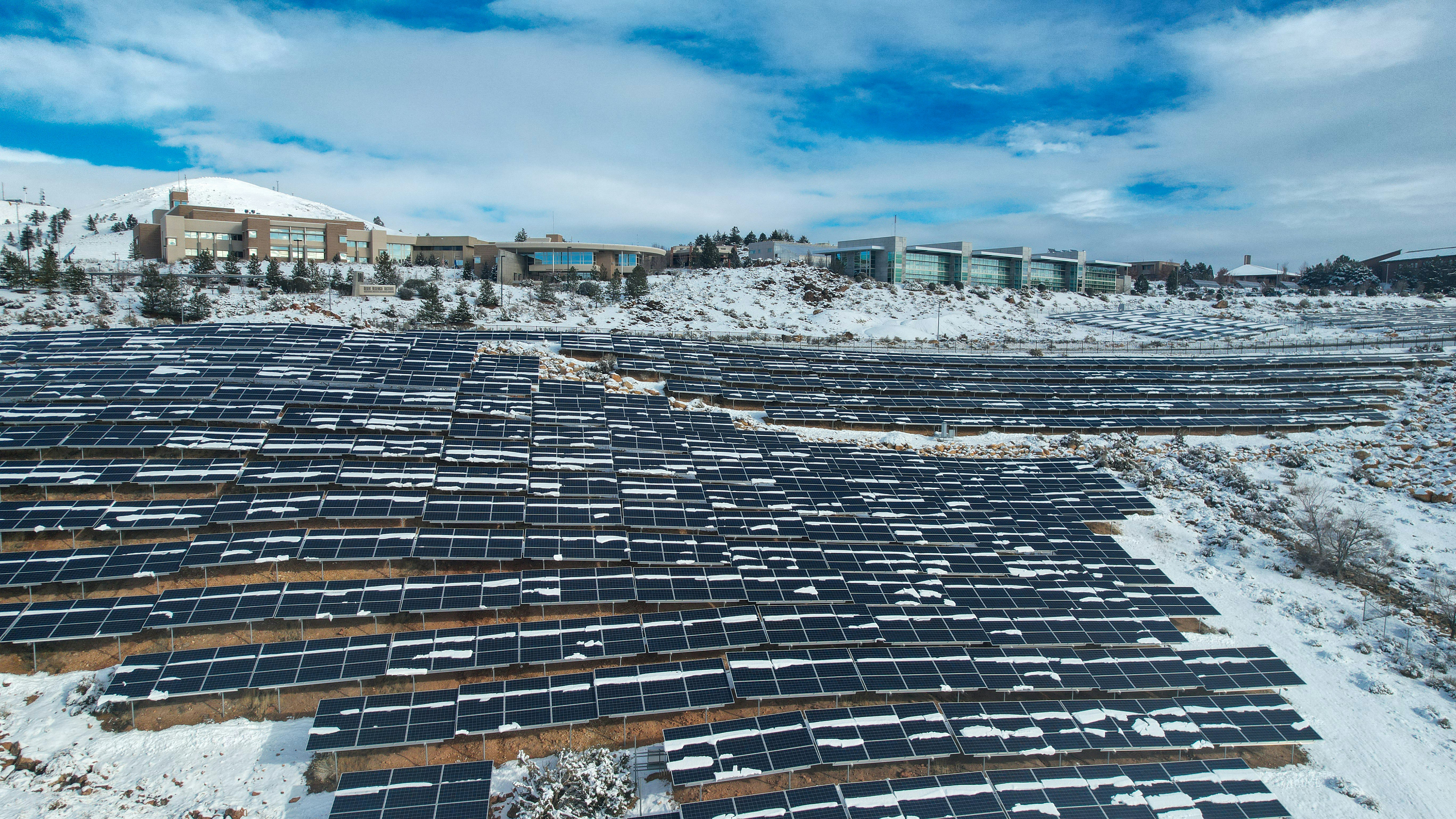
Introduction to Hybrid Solar Systems
Hybrid solar systems represent a significant advancement in the realm of renewable energy, combining solar photovoltaic (PV) technology with other energy sources, such as wind, battery storage, or traditional grid electricity. This integration allows for a more versatile and efficient energy production system compared to traditional solar setups, which primarily rely on solar panels alone. By optimizing resource use, hybrid systems can ensure a more stable and continuous energy supply, particularly crucial in regions like Scotland where weather conditions can be unpredictable.
The core components of a hybrid solar system typically include solar panels, an inverter to convert direct current to alternating current, energy storage batteries, and sometimes additional generation sources like wind turbines. This multifaceted approach is designed to maximize energy harnessing and minimize reliance on any single source. Notably, the incorporation of battery storage allows homeowners and businesses to store excess energy generated during sunny periods for use during overcast days or at night, vastly increasing efficiency and self-sufficiency.
The growing trend of hybrid systems, especially in Scotland, can be attributed to several factors. The increasing demand for sustainable energy solutions alongside governmental incentives for renewable energy adoption has led many to explore hybrid options. These systems not only contribute to the reduction of greenhouse gas emissions but also provide energy security, allowing users to manage their energy consumption more effectively. By embracing hybrid solar systems, Scotland can enhance its energy strategy, reduce dependence on fossil fuels, and support its commitment to sustainability and carbon neutrality.
Benefits of Hybrid Solar Systems in Scotland
Hybrid solar systems offer substantial benefits tailored to the unique climatic and geographical context of Scotland. One of the primary advantages is the significant reduction in carbon footprints. By integrating solar power with other renewable energy sources, such as wind and hydro, hybrid solar systems contribute to a substantial decrease in reliance on fossil fuels. This transition not only aids in the fight against climate change but also promotes cleaner air and a healthier environment.
Energy independence is another compelling reason to implement hybrid solar systems. Scotland’s commitment to increase renewable energy capacity can be achieved through the deployment of such systems, which allow households and businesses to produce their own electricity. This self-reliance reduces vulnerability to fluctuating energy prices and external energy supply chains, ultimately enhancing energy security across the nation.
Furthermore, hybrid solar systems can lead to significant cost savings over time. By harnessing free solar energy, homeowners and businesses can lower their electricity bills, particularly during peak demand times. The combination of solar panels with complementary systems such as battery storage or wind turbines optimizes energy usage and storage, ensuring that excess energy can be utilized when solar generation is low or demand is high, hence maximizing efficiency.
The climatic conditions of Scotland, characterized by long daylight hours in summer and frequent cloudy days, may seem less than ideal for solar energy production. However, hybrid systems are designed to perform effectively under varying weather conditions, enhancing the overall generation of renewable energy. This adaptability not only ensures a steady supply of energy but also positions hybrid solar installations as a flexible solution capable of meeting diverse energy needs.
Case Studies: Successful Implementation in Scotland
Scotland has seen a growing number of hybrid solar systems that integrate photovoltaics and energy storage technologies to create a sustainable approach to energy use. A remarkable example is the Solar and Energy Storage Scheme implemented at a residential estate in the outskirts of Edinburgh. Here, homeowners have had solar panels installed alongside battery storage systems. These installations allow the households to maximize solar energy use, particularly during longer daylight hours, while storing excess energy for use during the night or inclement weather. This approach has resulted in a notable reduction in energy bills and a significant carbon footprint decrease.
Another pertinent case is the Scottish Centre for Ecology and the Natural Environment, which has embraced a hybrid solar approach. This commercial project combines solar thermal heating alongside photovoltaic panels to not only produce electricity but also harness solar energy for water heating. The centre’s unique configuration allows it to meet both its power and heating demands sustainably, showcasing an effective utilization of space and resources. The challenges of integrating these technologies within a traditional building framework were met with innovative solutions, such as structural reinforcements and the customization of energy management systems.
Lastly, community initiatives have played a pivotal role in promoting hybrid solar systems throughout Scotland. An example is the Glasgow Community Solar Co-operative, which enables local residents to invest in a shared solar project. This cooperative model not only raises funds for solar installations but also fosters a sense of community ownership and responsibility towards sustainable energy production. Each cooperative member benefits from the energy produced, and the collaboration has facilitated easier access to finance and expertise that are often barriers for individual homeowners.
Future of Hybrid Solar Systems in Scotland
The future of hybrid solar systems in Scotland appears promising as advancements in technology, evolving policies, and growing community support converge to foster an eco-friendly energy landscape. Hybrid solar systems, which typically combine solar photovoltaic (PV) panels with other renewable sources such as wind or hydro, stand to enhance energy efficiency and reliability in Scotland’s renewable energy portfolio.
Recent technological innovations are paving the way for enhanced energy conversion efficiency, which will likely lead to greater adoption of hybrid systems. As new materials and designs for solar panels are developed, alongside improvements in energy storage solutions such as batteries, the overall effectiveness of these systems is expected to surge. This potential might inspire consumers and businesses alike to invest in hybrid solar technology, recognizing its advantages not just in energy savings but also in reducing carbon footprints.
Moreover, the Scottish government has been increasingly supportive of renewable energy initiatives, evidenced by policy reforms aimed at boosting green energy investments. These policy shifts can provide financial incentives for individuals and organizations to transition towards hybrid solar solutions. As more funding becomes available, it could stimulate research into cutting-edge solar technology, thus making hybrid systems even more accessible and affordable.
Community engagement plays a critical role in the future of hybrid solar systems. Educational initiatives aimed at raising awareness about the benefits of renewable energy can encourage local support for these systems. Communities that actively participate in renewable projects can benefit from shared resources and collective purchasing agreements, further reducing costs. By fostering a supportive environment, Scotland can accelerate the transition to hybrid solar systems, positioning itself as a leader in sustainable energy practices.
Ultimately, the integration of advanced technology, supportive policies, and community involvement may redefine energy consumption in Scotland, making hybrid solar systems an attractive option for those considering alternative energy sources.