
Introduction
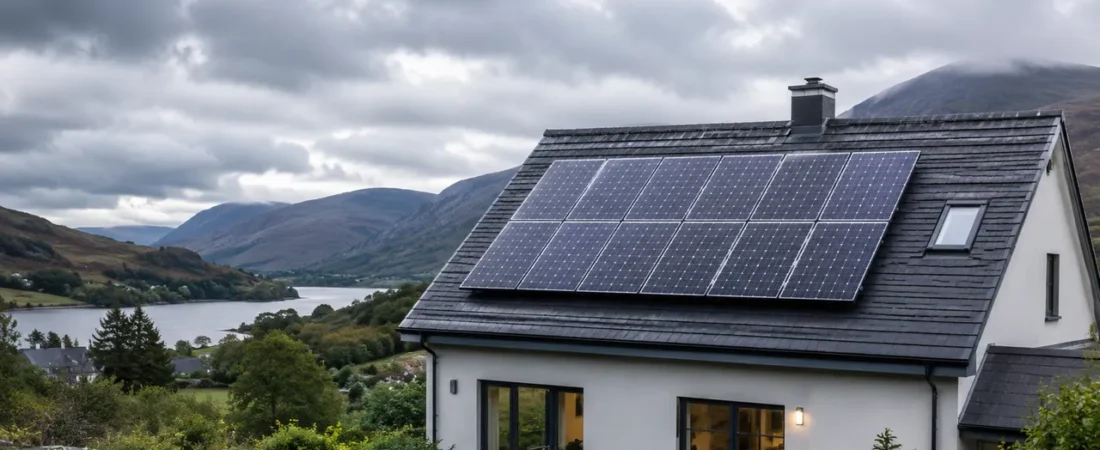
Scotland, known for its picturesque landscapes and often overcast skies, has given rise to a common concern regarding the efficiency of solar energy production in the region. Many individuals and businesses considering the installation of solar panels may ponder the question, do solar panels work in Scotland’s cloudy weather? This perception is rooted in a broader understanding of how solar technology interacts with varying climatic conditions.
Solar panels, or photovoltaic systems, are designed to capture sunlight, converting it into electrical energy. While it is acknowledged that sunlight intensity plays a crucial role in energy generation, it is important to note that solar panels can still operate effectively under less-than-ideal conditions, including Scotland’s frequent cloud cover. In fact, advanced solar technology utilizes different wavelengths of light, which can still be present even when the sky appears grey.
Understanding the resilience and adaptability of solar energy systems becomes essential for homeowners and businesses in Scotland. By addressing misconceptions about solar efficiency in cloudy climates, one can appreciate the potential benefits of adopting renewable energy solutions. As energy costs continue to rise and environmental concerns gain prominence, the relevance of exploring solar energy becomes increasingly significant.
This discussion will delve into the performance of solar panels in Scotland, emphasizing how they are engineered to harness solar energy effectively, even amidst the challenges posed by variable weather conditions. Homeowners and enterprises stand to gain insights into the viability of solar energy as a sustainable option, enabling them to make informed decisions regarding renewable energy investments.
Understanding Solar Energy Production
Solar energy production relies primarily on the principles of photovoltaic (PV) technology, which involves the conversion of sunlight into electricity. Photovoltaic cells, typically made from silicon, generate electrical energy as photons from sunlight excite electrons in the silicon material. This excitation creates a flow of electricity, which can be harnessed for various applications, including residential and commercial power needs.
One vital aspect to consider regarding how do solar panels work in Scotland’s cloudy weather is that photovoltaics do not require direct sunlight to operate. They can generate electricity even on overcast days, albeit at reduced efficiency. Light intensity is crucial; thus, solar panels can still produce a significant amount of energy during diffuse sunlight conditions common in Scottish weather. This means installations can deliver power even when the sun is obscured, though the output may vary based on cloud cover thickness and duration.
Another factor influencing solar panel performance is temperature. Photovoltaic cells operate best at moderate temperatures. Interestingly, when temperatures are excessively high, efficiency can drop, making the cooler Scottish climate somewhat advantageous. Weather conditions such as rain and snowfall may also have a dual impact on solar energy generation. Rain can help clear dust and debris from panels, while snow can momentarily cover them, impacting energy production. However, the panels typically absorb enough sunlight to melt any accumulated snow fairly quickly.
To illustrate, studies have shown that several solar panel installations in Scotland perform efficiently, maintaining a satisfactory energy output even under the region’s frequent gloominess. The effective design and positioning of panels can optimize their exposure to whatever sunlight is available, further contributing to maintaining a viable solar energy production level.
Advantages and Challenges of Solar Panels in Scotland
Despite the prevalent cloudy weather, solar panels offer significant advantages in Scotland, making them a valuable investment for many households and businesses. One of the primary benefits is the reduction of electricity bills. Solar panels harness available sunlight, converting it into electricity that can be used directly, thus lessening reliance on traditional energy sources and lowering monthly energy costs. This becomes particularly advantageous during the longer daylight hours of summer, even amidst overcast conditions.
Furthermore, the adoption of solar technology contributes to sustainability efforts, aligning with global initiatives to reduce carbon footprints and reliance on fossil fuels. Sunlight is a renewable resource, and utilizing solar panels aids in decreasing greenhouse gas emissions. Scotland’s commitment to renewable energy sources complements this goal, with various governmental incentives available, such as grants and feed-in tariffs, to encourage installation of solar energy systems.
However, challenges persist in utilizing solar technology in Scotland’s cloudy climate. One significant challenge is the efficiency rates of solar panels. While modern solar panels can produce energy in low light conditions, their output may decline when compared to sunnier regions. Users may find that their systems generate less electricity than expected, particularly during extended periods of overcast weather. Additionally, maintenance can be a concern, as panels may require cleaning and inspections to ensure optimal performance, especially if debris accumulates during wetter months.
Comparative Overview
This table summarizes the advantages and challenges of solar panels in Scotland:
| Advantages | Challenges |
|---|---|
| Reduced electricity costs | Lower efficiency in cloudy conditions |
| Sustainability and reduced carbon footprint | Maintenance needs |
| Government incentives and supports | Variable energy generation |
Expert Tips for Maximising Solar Energy Output
To maximise the efficiency of solar panels in Scotland’s cloudy weather, strategic panel positioning is crucial. Installers recommend a south-facing orientation, allowing panels to capture the maximum amount of sunlight, even on overcast days. Tilt angles should be adjusted based on the latitude, with a pitch between 30 and 40 degrees often proving optimal for photovoltaic efficiency in this region. This angle not only maximises exposure to diffused sunlight but also assists with shedding snow during inclement weather, thereby maintaining energy production.
Maintenance Considerations
Regular maintenance plays a pivotal role in ensuring solar panels function optimally in Scotland’s damp climate. It is advisable to periodically clean the panels to remove dirt, moss, or debris accumulation that could hinder efficiency. With cloudy conditions often leading to moisture retention, watch for any signs of corrosion or wear on the components. An annual inspection by a qualified technician can help catch issues early and prolong the lifespan of your solar system.
Choosing the Right Technology
When selecting solar panels for use in Scotland, consider investing in high-efficiency monocrystalline panels. These types perform better than their polycrystalline counterparts in low-light conditions, making them an excellent choice for areas prone to cloud cover. Additionally, integrating energy storage solutions such as batteries can enhance self-consumption of generated energy, providing access to electricity during less sunny periods.
Frequently Asked Questions
How much energy can solar panels generate in cloudy weather?
Solar panels can still generate energy on cloudy days, albeit at reduced efficiency. On average, they might produce 20-50% of their rated capacity under overcast skies.
What are the best types of solar panels for Scotland?
The most suitable solar panels for Scotland’s climate are high-efficiency monocrystalline panels, designed to outperform in low-light situations.
Conclusion and Call to Action
In light of the discussions surrounding solar energy applicability in Scotland’s weather, it is evident that solar panels do, indeed, work effectively despite the region’s frequent cloud cover. The misconception that cloudy weather significantly hampers the functionality of solar panels is debunked by numerous studies and practical experiences of users. Scotland’s solar potential must not be underestimated, as advancements in solar technology and efficient designs allow for optimal energy capture, even under less-than-ideal weather conditions.
During peak summer months, Scotland sees substantial sunlight, providing ample opportunity for solar panels to generate a significant amount of energy. Furthermore, during the winter months, when sunlight might be scarcer, solar panels can still operate at reduced efficiency, contributing to the overall energy needs of a household. Thus, investing in solar technology remains a sustainable option for both energy savings and environmental conservation.
For those considering a transition to solar energy, it is advisable to start by evaluating your energy needs and exploring the various solar panel systems available. Consulting with solar energy experts can provide tailored solutions that cater specifically to your requirements and the unique climatic conditions of Scotland. They can assist in assessing your property’s solar suitability, installation logistics, and potential financial incentives available for solar energy investments.
Ultimately, by choosing solar energy, you not only contribute to a reduction in carbon emissions but also take a significant step towards energy independence. Embracing renewable energy sources such as solar panels aligns with a broader commitment to sustainability and can lead to long-term cost savings. Therefore, we encourage you to explore the possibilities and consider making the switch to solar energy today.