
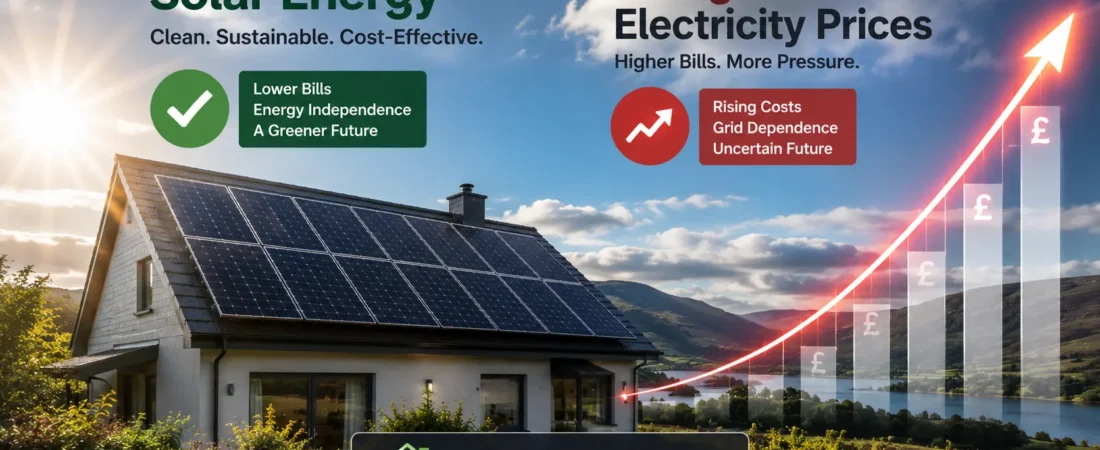
Introduction to Solar Energy and the Electricity Crisis
The increase in electricity prices has become unmistakable, impacting both households and businesses globally. According to the U.S. Bureau of Labor Statistics, electricity prices have seen a steady climb, with a reported increase of approximately 15% over the last decade. This trend in rising electricity costs places immense strain on household budgets and operating expenses for businesses, forcing many to search for sustainable energy solutions.
As the cost of traditional energy sources continues to rise, the need for alternative options is more pressing than ever. Families are feeling the pinch, and businesses are compelled to find ways to mitigate escalating operational costs. The electricity crisis prompts consumers to look for innovative and efficient ways to manage their energy expenditure.
Solar energy emerges as a viable and sustainable solution to counteract the burden of rising electricity prices. By harnessing the sun’s abundant energy, households and businesses can significantly reduce their dependency on grid electricity. According to the Solar Energy Industries Association (SEIA), the installation of solar panels can lead to a reduction in electricity bills by up to 60%. Moreover, the long-term investment in solar technology is becoming increasingly attractive as prices for solar installations continue to decrease.
Experts argue that transitioning to solar energy is not simply an option but a necessary step in combating rising energy costs. “As electricity bills creep up, solar installations can provide a hedge against volatility in the market,” states Ravi Ahuja, a renewable energy consultant. This statement underscores the potential of solar energy to shield consumers from the uncertainties associated with fluctuating energy prices.
In this context, solar energy not only offers a means to alleviate immediate financial pressure caused by rising electricity costs but also aligns with long-term goals for sustainability and energy independence. As we delve deeper into the implications of solar energy in the face of the electricity crisis, it becomes evident that embracing renewable resources is essential for a more stable economic future.
The Benefits of Solar Energy
Solar energy has emerged as a viable solution to combat the escalating issue of rising electricity prices. By harnessing the sun’s power, individuals and businesses can significantly reduce their energy costs while contributing to a more sustainable future. One of the most compelling benefits of solar energy is the potential for substantial savings on electricity bills. In regions where traditional energy prices are surging, solar panel installations provide a hedge against continuous hikes in energy costs. Homeowners have reported a drastic reduction in monthly bills, some even achieving energy independence by generating more electricity than they consume.
Financially, the return on investment (ROI) for solar energy systems has become increasingly attractive. Many jurisdictions offer incentives, subsidies, or tax credits that can lower the initial cost of solar installations. For example, the federal solar investment tax credit (ITC) allows homeowners to deduct a percentage of the installation costs from their federal taxes. Such benefits can reduce payback periods for solar investments, making them a significantly more appealing option. In some cases, businesses that adopt solar solutions have witnessed a return on their investment within just a few years, thereby improving their overall operational costs.
Beyond financial advantages, the environmental impact of solar energy cannot be understated. Solar power is renewable and clean, fostering a reduction in carbon footprint and promoting better air quality. As households transition to solar energy, they contribute to a decrease in reliance on fossil fuels, which are detrimental to the environment. Additionally, businesses pursuing corporate sustainability initiatives often incorporate solar energy into their operations, further enhancing their commitment to eco-friendly practices. The combination of monetary savings, government incentives, and positive environmental contributions position solar energy as a viable and sustainable alternative in the face of increasing electricity prices.
Challenges and Drawbacks of Solar Energy Adoption
While solar energy presents a myriad of benefits, there are several challenges and drawbacks that individuals and businesses must consider when transitioning from traditional energy sources. One of the most significant barriers is the initial installation cost of solar panels and associated systems. Although prices have decreased over the years, the upfront investment can still be quite substantial, discouraging potential adopters. This concern becomes especially pronounced for low-income households, where the high costs may outweigh the long-term savings associated with rising electricity prices.
Another challenge is the requirement for adequate space to install solar panels. For residential properties, rooftops must either be large enough or have optimal orientation towards the sun. In urban environments, where space is limited and properties are often closely packed, the feasibility of solar energy systems can be severely restricted. Moreover, some businesses may lack the physical space necessary to support effective solar installations, limiting their ability to harness this renewable energy source.
Intermittency of solar power is another critical challenge. Solar energy generation depends on sunlight availability, which fluctuates throughout the day and across seasons. Consequently, during periods of low sunlight or at night, solar energy production can diminish significantly. This intermittency can lead to reliance on supplementary energy sources, which may involve higher costs, especially as electricity prices rise.
| Pros of Solar Energy | Cons of Solar Energy |
|---|---|
| Renewable and sustainable energy source | High initial installation costs |
| Reduces electricity bills in the long run | Requires ample installation space |
| Low operational and maintenance costs | Intermittent energy production |
These factors underscore the complexities individuals and businesses face when considering the transition to solar energy. Evaluating the feasibility and potential drawbacks is vital in making informed decisions, especially in light of the continuing rise in electricity prices.
Expert Tips and Actionable Advice for Going Solar
As the demand for renewable energy increases and the issue of rising electricity prices becomes more pronounced, many homeowners are exploring the feasibility of solar energy as a viable solution. To maximize your investment in solar energy, consider the following expert tips.
First, selecting the right solar system is crucial. Assess your energy needs by reviewing your electricity bills over the past year to understand your usage patterns. This will enable you to choose a solar system that aligns with your requirements. It is often recommended to consult with solar energy professionals to evaluate various options and to choose the system that provides the highest efficiency and meets your financial goals.
Additionally, understanding local rebates and tax credits can significantly affect your solar energy investment. Many regions offer incentives designed to encourage the adoption of solar energy, which can lower the upfront costs. Investors should research federal, state, and local programs that can offer financial support or tax reductions for solar installations.
Maintenance also plays a vital role in ensuring the longevity and efficiency of your solar system. Regular cleaning of the solar panels and routine professional checks can help prevent issues and maximize energy production. Homeowners should keep an eye on their energy output and schedule maintenance checks at least once a year, especially after severe weather conditions.
Case studies, such as those of homes that have successfully transitioned to solar energy and reported significant savings in electricity bills, can provide valuable insights. These real-life examples often showcase how strategic planning and timely investments in solar power can turn the tide against rising electricity prices.
In conclusion, transitioning to solar energy is not only a sustainable choice but also a financially sound decision, especially in the face of escalating electrical costs. By selecting the appropriate system, capitalizing on available incentives, and maintaining your solar installation, you can enjoy both environmental benefits and savings on your electricity expenses.
Frequently Asked Questions (FAQ)
What are the initial installation costs associated with solar energy? The cost of installing solar energy systems can vary significantly based on several factors including the type of solar panels, system size, and the complexity of the installation. As of 2023, the average cost ranges between $15,000 to $30,000 for a residential solar system before applying any incentives. However, with the rising electricity prices, many homeowners find that the long-term savings make solar installations a worthwhile investment.
How much can I save on my electricity bills by using solar energy? Savings can vary depending on your energy consumption patterns, the amount of sunlight your area receives, and local electricity rates. Typically, households that install a solar power system can save anywhere from 20% to 50% on their electricity bills over time. With rising electricity prices, these savings become increasingly significant as conventional rates continue to climb.
What are the maintenance requirements for solar panels? Solar panels require minimal maintenance. Cleaning the panels a few times a year to remove dust and debris is usually sufficient. Most manufacturers recommend professional servicing every few years to ensure optimal performance. Additionally, regular monitoring can help identify any inefficiencies, especially in regions where weather conditions may affect solar energy generation.
Do weather patterns affect the efficiency of solar energy systems? Yes, weather patterns can impact the efficiency of solar energy systems. While solar panels are most effective in direct sunlight, they can still generate electricity on cloudy days. In areas with heavy snowfall, solar panel efficiency may be temporarily reduced; however, panels often self-clean as snow melts or slides off. Thus, despite varying weather conditions, solar energy remains a viable solution, especially in the context of rising electricity prices.
Conclusion and Call to Action
As electricity prices continue to rise, individuals and businesses are seeking viable solutions to manage their energy costs. Solar energy has emerged as a compelling alternative, offering significant long-term savings and sustainable power generation. By harnessing the sun’s energy, users can effectively reduce their reliance on traditional energy sources, ultimately leading to decreased expenses associated with rising electricity costs.
Throughout this discussion, we have outlined the numerous benefits of transitioning to solar energy. The initial installation may require a financial investment; however, the gradual reduction in utility bills and potential tax incentives can make solar a financially sound decision. Moreover, solar energy contributes to environmental sustainability by lowering carbon footprints and promoting greener living practices.
As energy consumers consider their options, exploring solar solutions tailored to their particular needs is a prudent step. Many local solar providers offer consultations and assessments that can guide users in understanding how solar energy can work in conjunction with their unique circumstances. Some regions even provide financial tools such as solar leases or power purchase agreements, making solar energy more accessible than ever.
We encourage all readers to take the initiative by researching solar energy options available in their area. Engaging with local solar companies and obtaining quotes can empower potential consumers to make informed decisions regarding their energy future. By embracing solar energy, users not only combat rising electricity prices but also contribute positively to the environment and the economy.