
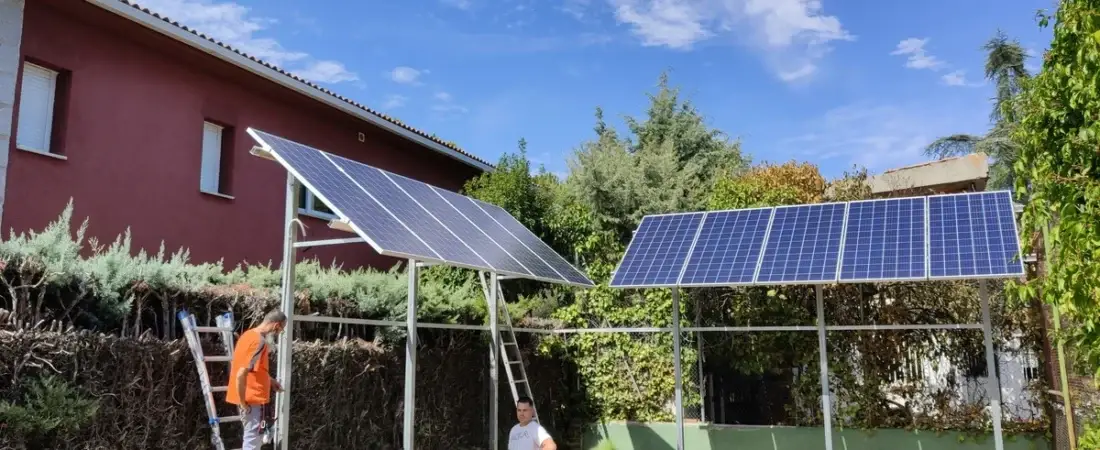
Introduction to Solar Panel Maintenance
For homeowners in Scotland, solar energy offers a promising and sustainable alternative for powering their homes. With the ability to harness the UK’s abundant sunlight, particularly during the longer days of summer, solar panels can significantly reduce energy bills and carbon footprints. However, to achieve the full potential of these systems, proper maintenance is essential.
The typical lifespan of solar power systems is roughly 25 years, which makes it an invaluable long-term investment for homeowners. Nonetheless, the efficiency of solar panels can be compromised without adequate care. Environmental factors such as rain, wind, and bird droppings can impact the performance of solar panel systems. Routine maintenance helps mitigate these issues, ensuring that solar panels operate at optimal levels and deliver maximum energy efficiency.
Regular maintenance tasks, such as cleaning solar panels and checking for any wear and tear, play a crucial role in sustaining system efficiency. Homeowners should proactively engage in maintaining their solar installations, as neglect can lead to a decrease in energy production and increased repair costs over time.
Furthermore, to protect their investment, Scottish homeowners should familiarize themselves with local climate patterns and how they might affect solar performance. For example, while Scotland may experience more overcast days than other regions, solar panels can still generate electricity even in low light conditions. Understanding these nuances speaks to the importance of dedicated solar panel maintenance practices specific to the Scottish environment.
In essence, embracing a solar panel maintenance guide for Scottish homeowners is fundamental to optimizing system longevity and performance. This guide will delve deeper into specific maintenance strategies and considerations, equipping homeowners with the knowledge to ensure their solar systems function effectively for years to come.
Essential Maintenance Practices for Solar Panels
Proper maintenance is crucial for ensuring the long-lasting performance of solar panels, particularly in the unique weather conditions that Scottish homeowners experience. This solar panel maintenance guide for Scottish homeowners outlines essential practices that should be implemented regularly to maintain optimal efficiency.
Regular Cleaning: Solar panels must be kept clean to function effectively. Dirt, debris, and bird droppings can accumulate, reducing the panels’ ability to absorb sunlight. Homeowners should consider cleaning their panels at least twice a year, or more frequently if they notice significant buildup. Use soft brushes or a sponge along with a mild detergent mixed with water for cleaning. It is advisable to carry out this task early in the morning or late in the evening to avoid rapid evaporation of water, which can leave streaks.
Inspecting Panels for Damage: Routine inspections are vital to identify any physical issues such as cracks, chips, or discolouration on solar panels. Homeowners should perform these inspections at least once every six months. Check the connections and wiring for any signs of fraying or corrosion. If damage is evident, it is recommended to contact a qualified technician to assess and repair the panels.
Checking Inverter Functionality: The inverter is a critical component in converting solar energy into usable electricity. Homeowners should monitor the inverter’s indicators regularly to ensure it is functioning correctly. The display should indicate normal operations, and any warning lights may signify potential issues needing prompt attention.
Monitoring Energy Output: Keeping track of energy output assists in identifying potential problems early. Homeowners should utilize monitoring systems or apps provided by their solar panel installers to maintain a clear understanding of their solar energy production. If there are noticeable drops in performance, it may signal that maintenance is required.
By adhering to these essential maintenance practices, homeowners can ensure their solar panels remain efficient and functional, maximizing their investment for years to come.
Common Issues and Troubleshooting Tips
Solar panels, while relatively low-maintenance, can encounter various issues that require attention from homeowners. Among the most prevalent problems is dirt accumulation, which can reduce the efficiency of solar panels during the colder months typically experienced in Scotland. Rain can help wash away some debris; however, for optimal performance, a periodic cleaning regimen may be necessary, especially around areas with heavy pollution or dust.
Shading is another factor that can result in diminished solar panel output. Tall trees, nearby buildings, or new construction can obstruct sunlight from reaching the panels, leading to significant efficiency losses. Homeowners are encouraged to assess their environments and, if possible, trim back vegetation that casts shadows on the panels during peak sunlight hours.
Electrical faults can also occur, ranging from inverter malfunctions to wiring issues. In cases where the system is producing less energy than expected, it is advisable to check the inverter’s display for error messages. A complete diagnostic visual inspection of the wiring might reveal loose connections or physical damage, particularly in areas exposed to the Scottish climate.
Furthermore, homeowners should be aware of system inefficiencies. This can manifest as unexpectedly low energy production compared to the estimated output. Monitoring systems, often integrated with modern solar setups, provide valuable data and can alert homeowners to irregularities. If issues persist, seeking professional help from certified solar technicians is recommended. They can perform detailed inspections and ensure that solar panels are operating efficiently.
Incorporating these troubleshooting tips into the solar panel maintenance guide for Scottish homeowners will help in preemptively addressing common concerns. Recognizing these problems early can mitigate the risk of costly repairs and ensure that the solar energy system continues to provide reliable service.
FAQs about Solar Panel Maintenance
Homeowners considering solar energy often have questions regarding the upkeep of their photovoltaic systems. In this section, we provide a concise solar panel maintenance guide for Scottish homeowners, addressing some of the most frequently asked questions.
How often should I clean my solar panels?
It is advisable for Scottish homeowners to clean their solar panels at least once or twice a year. However, depending on environmental factors such as dust, pollen, or bird droppings, you may need to clean them more frequently. Regular cleaning helps maintain optimal energy production by preventing debris from obstructing sunlight.
What are the signs that my solar panels need servicing?
There are several indicators indicating the need for solar panel servicing. Notably, if you notice a significant drop in energy output compared to previous months, it may suggest an underlying issue. Additionally, physical damage, such as cracks or fissures on the panels, is a clear sign that maintenance is required.
Can I perform maintenance myself?
While some basic tasks, like cleaning, can be done by homeowners, it is essential to approach solar panel maintenance with caution. If you are uncomfortable with heights or lack the necessary tools, it is wise to hire a professional service. A qualified technician can ensure that all aspects of solar panel care are addressed effectively and safely.
Are there specific maintenance tasks required for off-grid systems?
Yes, off-grid solar systems often demand additional attention. For example, battery maintenance becomes crucial for optimizing energy storage. Regular inspection of the battery conditions and ensuring proper connections can prolong system longevity.
What should I do if my solar panels are underperforming?
If you suspect that your solar panels aren’t performing as they should, the best course of action is to consult with a professional installer. They can conduct a thorough assessment to identify issues and implement necessary repairs, ensuring your system operates effectively.