Introduction to Energy Sources in Scotland
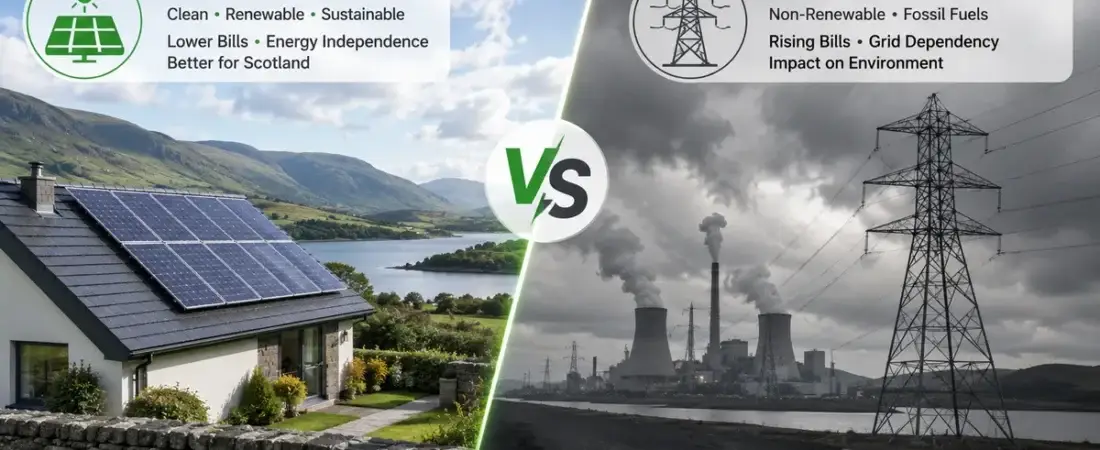
Understanding energy sources utilized in Scotland is crucial in an era where sustainability is increasingly prioritized. The two primary types of energy employed across Scotland are solar energy and traditional electricity. Energy plays an integral role in daily life, powering homes, industries, and public services, making the examination of its sources particularly relevant.
Scotland has made notable strides in renewable energy adoption, with solar energy emerging as a promising alternative to more conventional forms like fossil fuel-based electricity. The nation aims to reduce carbon emissions and meet ambitious climate targets, aligning with broader European directives on renewable energy investments and sustainable practices. As a result, Scotland’s energy landscape is evolving, with solar energy becoming a pivotal player in its future energy strategies.
Traditional electricity generation in Scotland has historically relied on fossil fuels; however, the shift towards greener alternatives reflects a growing awareness of environmental impacts and the finite nature of non-renewable resources. This shift has not only influenced national policy but has also affected household consumption patterns, as residents and businesses alike recognize the benefits of investing in renewable solutions such as solar energy.
Beyond its environmental advantages, solar energy promotes energy independence, which resonates with Scotland’s natural resources and climate conditions conducive to solar power generation, especially during the longer days of the summer months. Exploring solar energy vs traditional electricity in Scotland allows for a deeper understanding of how energy sources are evolving and the potential consequences for energy consumers, industries, and the environment alike. Engaging with these energy dynamics is essential for fostering an informed public and guiding the future of energy consumption in Scotland.
Comparative Analysis of Solar Energy and Traditional Electricity
In assessing the merits of solar energy vs traditional electricity in Scotland, several key factors come into play including cost, efficiency, environmental impact, and availability. The distinction between solar energy and conventional electricity generation methods, such as fossil fuels and nuclear energy, provides a comprehensive understanding of their respective advantages and limitations.
Cost remains a critical factor in this comparison. As of 2023, the initial investment for solar panel installation in Scotland can be significant; however, the continuous decline in the prices of solar technology has made it increasingly accessible. Operating costs for solar energy are comparatively lower since sunlight is free and the maintenance costs of solar systems are minimal. In contrast, traditional electricity sourcing often involves fluctuating fuel prices and ongoing infrastructure maintenance expenses.
When it comes to efficiency, traditional electricity generation methods typically boast higher energy output compared to solar energy. For example, fossil fuel plants have an efficiency rate ranging between 33%-45%, while solar panels generally convert about 15%-20% of the sunlight they capture into usable electricity. However, advancements in solar technology are constantly improving efficiency rates, and solar energy installations often benefit from net metering, further enhancing their utility.
Environmental impact is another aspect where solar energy holds a substantial advantage over traditional methods. Conventional electricity generation, particularly through fossil fuels, results in significant greenhouse gas emissions, contributing to climate change and air pollution. Conversely, solar energy is a renewable resource that reduces carbon footprints, aligning with Scotland’s ambitious climate goals.
Availability can vary significantly. Scotland’s geographical position allows for an abundance of sunlight during certain months, but during winter, solar energy may not provide sufficient coverage alone. Traditional electricity generation, on the other hand, offers a reliable supply regardless of weather conditions. Nevertheless, integrating solar energy with conventional systems can enhance energy security.
The following comparison table summarizes these insightful distinctions:
| Factor | Solar Energy | Traditional Electricity |
|---|---|---|
| Cost | Lower long-term costs, high initial investment | Fluctuating fuel prices, ongoing maintenance costs |
| Efficiency | 15%-20% energy conversion rate | 33%-45% energy conversion rate |
| Environmental Impact | Minimal emissions, renewable | High emissions, polluting |
| Availability | Dependent on sunlight, variable | Consistent supply, weather-independent |
Ultimately, the comparative analysis highlights both solar energy and traditional electricity generation’s unique characteristics, offering insights critical for future energy planning in Scotland. While solar energy presents compelling advantages, the interplay with traditional methods remains essential for a balanced energy framework.
Benefits and Drawbacks of Solar Energy in Scotland
Solar energy has gained significant attention in Scotland as a potential alternative to traditional electricity sources. One of the principal benefits of solar energy is its ability to reduce the carbon footprint. With the pressing need for environmental sustainability, adopting solar technology contributes to lower greenhouse gas emissions, aligning with Scotland’s ambitious climate goals.
Moreover, solar energy can lead to long-term financial savings. Although initial installation costs can be substantial, solar panels typically pay for themselves over time through reductions in energy bills and government incentives. In many scenarios, homeowners can even benefit from excess energy generation by selling it back to the grid, further enhancing the economic appeal of adopting solar energy versus traditional electricity.
Another vital advantage is energy independence. By harnessing solar power, individuals and communities can reduce their reliance on imported fossil fuels, thereby fostering a more self-sufficient energy landscape. This independence is particularly pertinent for Scotland, which has a history of energy vulnerability due to fluctuating fossil fuel prices.
However, solar energy in Scotland is not without its challenges. The country’s weather patterns can lead to seasonal variability in solar energy production. The lack of sunlight during the winter months can limit the effectiveness of solar panels, leading to concerns about consistent energy supply compared to traditional electricity methods.
Furthermore, the initial costs associated with solar panel installation and the necessary technology can act as a barrier for many potential users. Technological limitations, such as energy storage systems, may also hinder wider adoption, as the efficiency of these systems affects the viability of relying solely on solar energy.
Expert insights and case studies illustrate these points, providing a balanced view of solar energy’s role in the ongoing debate of solar energy vs traditional electricity in Scotland. As Scotland continues to navigate its energy future, the benefits and drawbacks of solar energy will remain at the forefront of discussions.
Frequently Asked Questions about Solar Energy and Traditional Electricity
1. Can solar panels work in cloudy or rainy weather?
Yes, solar panels can still generate electricity during cloudy or rainy conditions. In Scotland, although sunlight may be less intense, solar panels can produce usable energy from diffused sunlight. Their efficiency might decrease slightly, but they remain functional and can contribute significantly to your energy needs.
2. How often do solar panels require maintenance?
Solar panels generally require minimal maintenance. Routine cleaning to remove dirt and debris is usually sufficient, alongside a periodic professional inspection. Typical maintenance involves ensuring the inverter is functioning properly. This low-maintenance characteristic is often compared favourably against traditional electricity sources, allowing homeowners to divert focus from ongoing upkeep.
3. What is the return on investment (ROI) for solar energy?
For many homeowners in Scotland, investing in solar energy can yield substantial long-term savings. The ROI depends on factors such as installation costs, available sunlight, and energy prices. Many investors see a return within 6 to 10 years, after which savings can continue for decades, significantly lessening reliance on traditional electricity sources.
4. Are there government incentives for solar energy in Scotland?
Yes, the Scottish government provides various incentives to promote solar energy, such as grants and feed-in tariffs. These financial supports help defray installation costs, encouraging more residents to adopt solar energy solutions instead of traditional electricity sources, which can be more expensive over time.
5. What happens to solar panels during winter?
While solar energy production can reduce in winter due to shorter days and less sunlight, solar panels can still operate efficiently. Snow can slide off the panels, and the technology is designed to generate electricity in colder conditions. This reliability makes solar a viable option even in Scotland’s harsher winter months, further establishing Solar Energy vs Traditional Electricity in Scotland as a competitive field.